Claude for Coding: How Developers Use Anthropic's AI to Write Software
Claude has become one of the most widely used AI models for software development, powering everything from quick code fixes to large, autonomous coding agents.
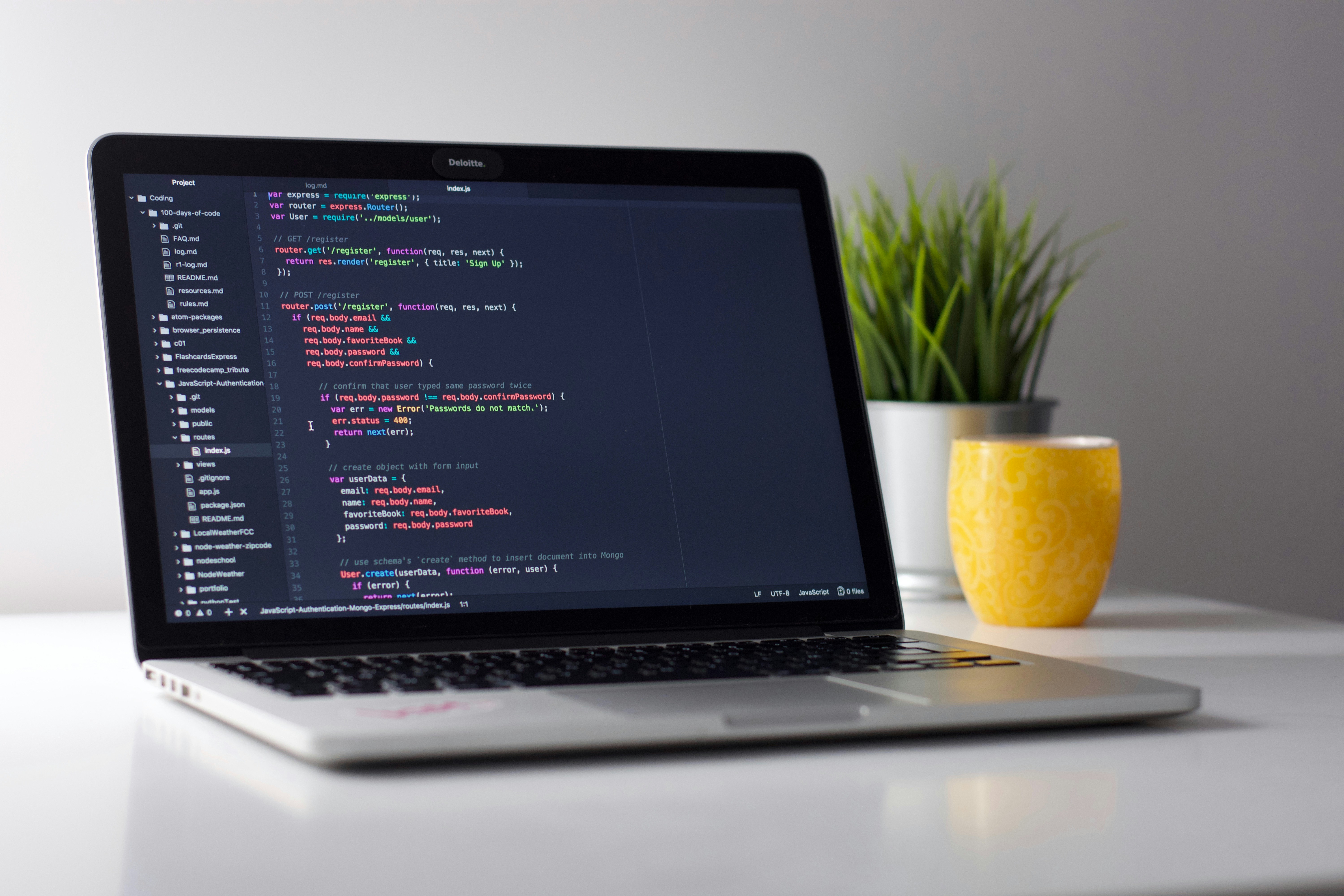
Why Coding Became Claude's Signature Use Case
While Claude is a general-purpose assistant capable of many kinds of tasks, coding has emerged as one of its most prominent and commercially significant use cases. Anthropic has repeatedly highlighted coding performance as a key differentiator for its models, and independent surveys of AI usage have found that software development is among the most common professional applications of Claude, both for individual developers and for engineering teams inside larger companies.
From Autocomplete to Autonomous Agents
Early AI coding tools largely functioned as smarter autocomplete, suggesting the next line or function inside a code editor. Claude's coding capabilities have evolved well beyond that model. Developers now use Claude to plan out multi-step engineering projects, navigate and reason across large, multi-file codebases, identify and fix bugs, write tests, and carry out large-scale refactors with comparatively little back-and-forth guidance. Anthropic has described this progression as moving from simple code completion toward genuine agentic software engineering, in which the model autonomously plans, executes, and corrects course across a longer task rather than responding to a single, narrow prompt.
Claude Code
One of the more significant developments in this area has been Claude Code, an agentic coding tool that lets developers delegate coding tasks to Claude directly from the command line, a desktop application, or a mobile app, rather than working exclusively inside a traditional code editor. This kind of tool reflects a broader shift in how AI is integrated into software development workflows: instead of a developer copying code snippets back and forth from a chat window, the AI model operates with more direct access to a project's actual files and tools, under the developer's supervision.
Performance on Real-World Engineering Tasks
Anthropic has reported strong performance for its Sonnet and Opus model lines on industry benchmarks that test a model's ability to resolve real pull requests and bug reports drawn from actual open-source software projects, rather than artificial coding puzzles. The company has also emphasized consistency on long-horizon coding tasks, in which a model must make a long sequence of decisions that each build on earlier ones, since an error introduced early in a long coding session can compound into much larger problems later if not caught quickly.
Why Businesses Care
For software companies, the appeal of strong AI coding assistance is straightforward: it can compress work that might otherwise take days into a much shorter window, freeing experienced engineers to focus on higher-level architecture and review rather than routine implementation work. This has made coding-capable AI models a significant driver of enterprise demand for Claude's API, alongside more general knowledge-work applications like document analysis and customer support automation.
Limitations Developers Should Keep in Mind
Despite rapid progress, AI coding assistants are not infallible. Generated code can contain subtle bugs, security issues, or incorrect assumptions about a codebase that are not always obvious without careful review. Most engineering teams that rely heavily on tools like Claude for coding continue to treat AI-generated code the way they would treat code from a junior or unfamiliar collaborator: useful, often impressively capable, but still subject to testing, code review, and human judgment before it ships to production.